Oxaide
Method layer

DCIR and resistance rise for BESS safety, heat, and power-fade review

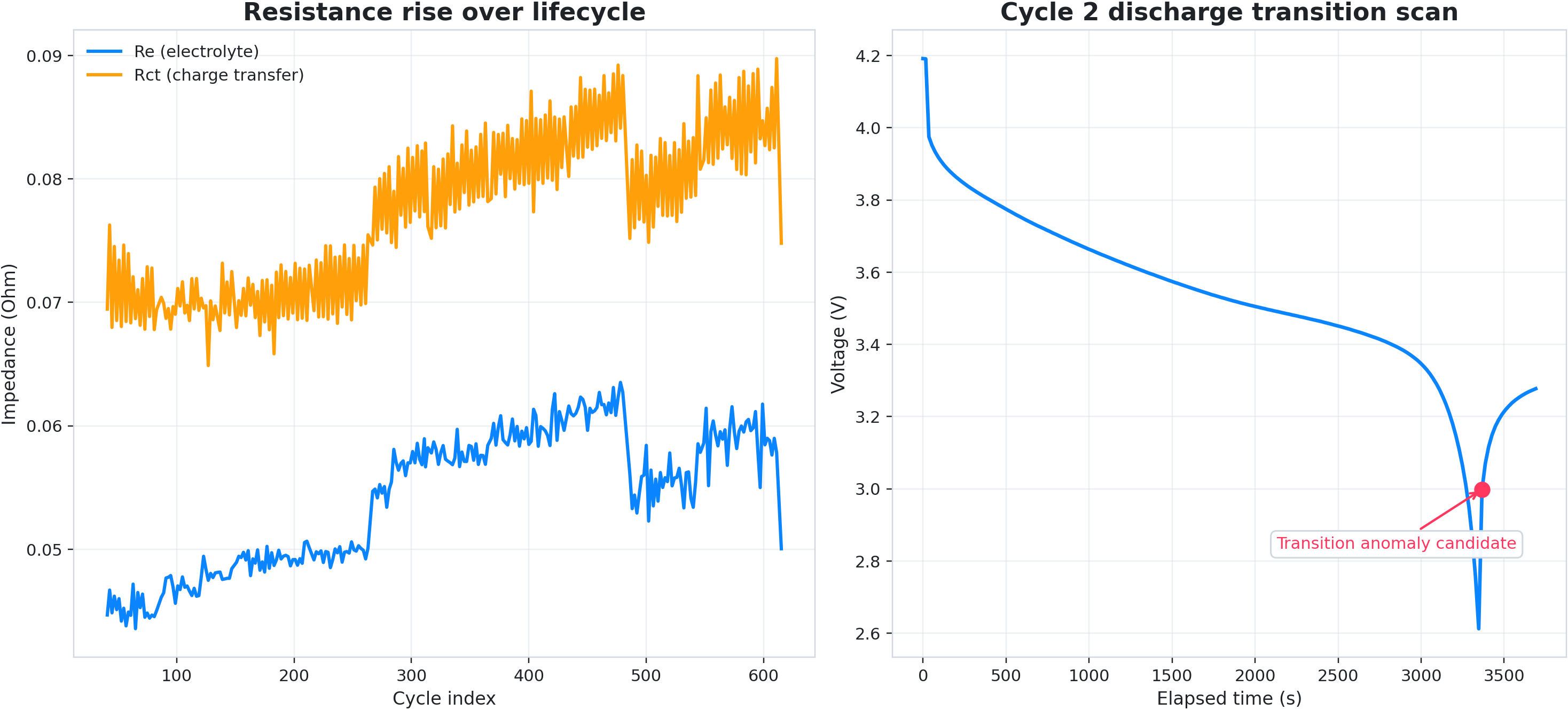
DCIR is the physical degradation layer that helps explain why a battery may still look commercially acceptable on paper while becoming hotter, weaker, or less defensible in operation.

Why it matters

Resistance rise translates into more heat generation, more stress under load, and less available power headroom. That makes it relevant not just for engineering review, but for safety posture, operating limits, and insurance conversations.

Where it fits commercially

DCIR is especially useful in post-COD review, warranty discussions, and any diligence pass where the buyer or owner needs to know whether the live battery is becoming more fragile than the reporting layer suggests.

How to use it correctly

DCIR is strongest when treated as a practical stress-and-safety layer, not as a standalone commercial verdict. It becomes more useful when linked to operating history, thermal behaviour, and whether the live asset still supports the resilience or revenue story being told around it.

That is why rising resistance is often more valuable in a post-COD or warranty context than in a superficial dashboard review. It can explain why a battery is becoming harder to trust before it becomes easy to dismiss.

Scoped data handling
Encrypted review workflow
Customer-controlled deployment options
Direct principal review