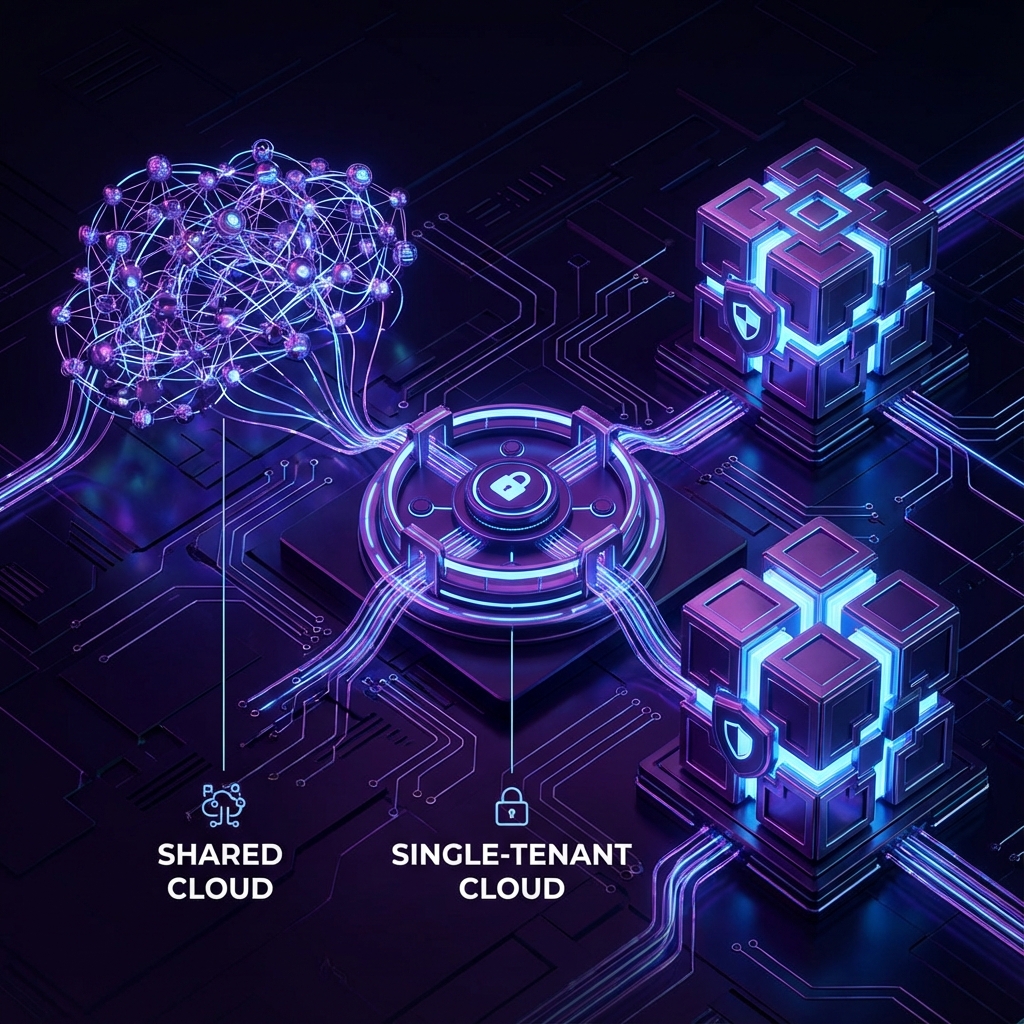

As industrial and engineering firms deploy AI knowledge systems, they must navigate a landscape where Data Sovereignty is the primary risk. GDPR and trade secret protections create non-negotiable obligations around how technical data is processed, particularly when using public cloud AI providers that may compromise NDA contracts.
Non-compliance carries significant consequences: GDPR fines can reach 4% of global annual revenue or €20 million, while CCPA violations can result in $7,500 per intentional violation. Beyond financial penalties, compliance failures damage customer trust and brand reputation.
This guide provides the framework for implementing AI customer support systems that meet regulatory requirements while delivering the efficiency and customer experience benefits automation enables.
Understanding AI Compliance Landscape
Key Regulations for AI Customer Support
General Data Protection Regulation (GDPR): The European Union regulation affecting any business handling EU resident data:
- Lawful basis required for processing personal data
- Rights to access, rectification, erasure, and portability
- Data protection by design and default
- Automated decision-making restrictions
- Breach notification requirements
California Consumer Privacy Act (CCPA/CPRA): California regulation with broad extraterritorial impact:
- Right to know what data is collected
- Right to delete personal information
- Right to opt-out of data sales
- Right to non-discrimination for exercising rights
- Enhanced requirements under CPRA amendments
Other Relevant Regulations: Regional and sector-specific requirements:
- LGPD (Brazil's data protection law)
- PIPL (China's personal information protection)
- POPIA (South Africa's protection of personal information)
- Industry-specific rules (healthcare HIPAA, financial services)
AI-Specific Compliance Considerations
Transparency Requirements: Regulations increasingly require disclosure when AI is involved:
- GDPR Article 22 requires meaningful information about automated decisions
- Emerging regulations mandate AI disclosure to consumers
- Best practices suggest proactive transparency
Automated Decision-Making: Special rules apply when AI makes significant decisions:
- GDPR restricts fully automated decisions with legal effects
- Right to human review of automated decisions
- Explainability requirements for AI logic
Data Minimization: AI systems should process only necessary data:
- Collect minimum data needed for support purposes
- Limit data retention to required periods
- Avoid unnecessary data processing for AI training
Implementing Compliant AI Support
Lawful Basis for Processing
Legitimate Interests: Most common basis for AI customer support:
- Processing is necessary for legitimate business interests
- Interests are balanced against customer rights
- Customers can expect support interaction processing
Contract Performance: When support relates to contractual obligations:
- Processing necessary to fulfill customer contracts
- Order support, billing assistance, service delivery
Consent: When required or preferred:
- Marketing-related support activities
- Non-essential data processing
- Sensitive data categories
Documentation Requirements: Maintain records demonstrating lawful basis:
- Data processing inventory
- Legitimate interest assessments
- Consent records and preferences
- Legal basis mapping for processing activities
Transparency and Disclosure
AI Disclosure: Inform customers when AI is involved in support:
"You are chatting with an AI assistant. I can help with most questions immediately. If you prefer to speak with a person or have a complex issue, just let me know and I will connect you with a team member."
Privacy Information: Provide accessible privacy details:
- What data is collected during support interactions
- How data is used and processed
- Retention periods for conversation data
- Rights customers can exercise
Cookie and Tracking Notice: Address tracking technologies used:
- Chat widget analytics
- Session recording if applicable
- Third-party integrations
Data Subject Rights
Right to Access: Enable customers to obtain their data:
- Conversation history retrieval
- Personal data extraction
- Processing activity information
Right to Rectification: Allow customers to correct information:
- Update contact details
- Correct account information
- Fix inaccuracies in records
Right to Erasure: Honor deletion requests appropriately:
- Delete conversation history
- Remove from marketing systems
- Retain only legally required data
- Document retention justifications
Right to Portability: Provide data in usable format:
- Structured data export
- Machine-readable format
- Transfer to other services
Right to Object: Respect processing objections:
- Marketing processing opt-outs
- Legitimate interest objections
- AI processing objections when applicable
Data Protection Implementation
Technical Measures:
Encryption:
- Data encrypted in transit (TLS)
- Data encrypted at rest
- Encryption key management
- End-to-end encryption where appropriate
Access Controls:
- Role-based access to customer data
- Authentication requirements
- Access logging and monitoring
- Regular access reviews
Data Minimization:
- Collect only necessary information
- Automatic data purging after retention periods
- Anonymization for analytics and training
Organizational Measures:
Staff Training:
- Privacy awareness training
- AI-specific compliance training
- Breach response procedures
- Regular training updates
Policies and Procedures:
- Data protection policies
- AI governance procedures
- Incident response plans
- Vendor management requirements
Documentation:
- Records of processing activities
- Data protection impact assessments
- Legitimate interest assessments
- Compliance evidence maintenance
AI-Specific Compliance Requirements
Automated Decision-Making
GDPR Article 22: Restrictions on fully automated decisions:
- Cannot base decisions solely on automated processing
- Exception for contract necessity, legal authorization, or explicit consent
- Must provide meaningful information about processing logic
- Must enable human intervention and challenge
Compliance Approach: Design AI support to maintain compliance:
Human Oversight: Ensure human review is available:
- Easy escalation to human agents
- Review process for significant decisions
- Override capability for AI recommendations
Explainability: Provide understandable AI decision information:
- Why AI made specific recommendations
- What data influenced AI responses
- How customers can challenge or escalate
Proportionate Automation: Limit AI to appropriate decision types:
- Routine support responses: Full automation acceptable
- Account modifications: Human verification appropriate
- Significant impacts: Human decision required
Training Data and AI Development
Data Use for AI Training: Comply with regulations when using data to improve AI:
- Lawful basis for training data use
- Anonymization where possible
- Limitation to operational improvement purposes
- Customer notification of training data use
Third-Party AI Providers: Ensure vendors meet requirements:
- Data processing agreements in place
- Sub-processor management
- Security and compliance certifications
- Data location and transfer compliance
Bias and Fairness: Address AI discrimination risks:
- Regular bias audits
- Fairness testing across demographics
- Correction procedures for identified bias
- Documentation of fairness measures
Cross-Border Data Transfers
Transfer Mechanisms: When AI involves international data transfers:
- Standard contractual clauses
- Binding corporate rules
- Adequacy decisions where applicable
- Supplementary measures when needed
Third-Party Considerations: Address vendor data locations:
- Understand where AI providers process data
- Ensure adequate transfer mechanisms
- Document transfer assessment
- Monitor regulatory changes
Vendor and Platform Compliance
Vendor Assessment
Due Diligence: Evaluate AI support vendors:
- Security certifications (SOC 2, ISO 27001)
- GDPR processor compliance
- Data processing capabilities
- Breach notification procedures
Contractual Requirements: Include necessary provisions:
- Data processing agreement (DPA)
- Sub-processor authorization
- Audit rights
- Indemnification provisions
Ongoing Monitoring: Maintain vendor compliance:
- Regular compliance reviews
- Certification verification
- Incident notification procedures
- Performance monitoring
Data Processing Agreements
Required Elements: DPA must include:
- Subject matter and duration
- Nature and purpose of processing
- Types of personal data
- Categories of data subjects
- Controller and processor obligations
Processor Obligations: Vendors must commit to:
- Process only on documented instructions
- Ensure personnel confidentiality
- Implement appropriate security measures
- Assist with data subject rights
- Notify breaches promptly
- Delete or return data on termination
Building a Compliance Program
Policy Framework
AI Customer Support Policy: Establish governing policy:
- Scope and applicability
- Compliance requirements
- Roles and responsibilities
- Violation consequences
Data Retention Policy: Define retention practices:
- Conversation retention periods
- Customer data retention
- Training data handling
- Deletion procedures
Incident Response Plan: Prepare for potential issues:
- Breach detection procedures
- Notification requirements
- Remediation steps
- Documentation requirements
Compliance Monitoring
Regular Audits: Conduct periodic assessments:
- Internal compliance reviews
- Third-party audits
- Technical security assessments
- Policy effectiveness evaluation
Metrics and Reporting: Track compliance indicators:
- Data subject request response times
- Consent management effectiveness
- Breach incident tracking
- Training completion rates
Continuous Improvement: Enhance compliance over time:
- Regulatory change monitoring
- Best practice adoption
- Technology enhancement
- Process optimization
Training and Awareness
Staff Training: Educate team members:
- Privacy fundamentals
- AI-specific considerations
- Customer rights handling
- Escalation procedures
Customer-Facing Materials: Prepare customer communications:
- Privacy notices
- Rights explanation
- Contact information
- FAQ content
Industry-Specific Requirements
Healthcare
HIPAA Considerations:
- Protected health information handling
- Business associate agreements
- Minimum necessary principle
- Patient authorization requirements
AI Implications:
- Limit health-related AI discussions
- Escalate clinical content appropriately
- Maintain audit trails
- Address telehealth regulations
Financial Services
Sector Regulations:
- Financial privacy requirements
- Anti-money laundering considerations
- Consumer protection rules
- Regulatory examination readiness
AI Implications:
- Careful automated recommendation handling
- Documentation for regulatory review
- Fair lending compliance
- Record retention requirements
E-commerce
Payment Data:
- PCI DSS compliance
- Payment data handling restrictions
- Card information protection
Consumer Protection:
- Disclosure requirements
- Complaint handling obligations
- Refund and return regulations
Emerging Regulatory Landscape
AI-Specific Regulation
EU AI Act: New requirements for AI systems:
- Risk-based classification
- Requirements for high-risk AI
- Transparency obligations
- Conformity assessments
Preparing for AI Regulation:
- Monitor regulatory developments
- Assess AI risk classification
- Document AI system characteristics
- Build flexibility into implementation
Future Compliance Considerations
Anticipated Developments:
- Expanded AI transparency requirements
- Algorithmic accountability rules
- Enhanced automated decision protections
- Broader cross-border data restrictions
Adaptation Strategy:
- Build privacy by design
- Maintain flexibility in systems
- Document compliance decisions
- Engage with regulatory developments
Conclusion
AI customer support compliance requires thoughtful implementation that balances automation benefits with regulatory obligations. Organizations that build compliance into their AI systems from the start avoid costly modifications while building customer trust.
The key principles for AI compliance:
Privacy by Design: Build data protection into AI systems from the beginning rather than adding it later.
Transparency: Be clear with customers about AI involvement and how their data is used.
Proportionate Processing: Process only necessary data for legitimate support purposes.
Rights Respect: Enable customers to exercise their data protection rights effectively.
Vendor Management: Ensure AI providers meet the same compliance standards as your organization.
Continuous Monitoring: Maintain ongoing compliance through regular audits and improvement.
By implementing the frameworks in this guide, organizations can deploy AI customer support that meets regulatory requirements while delivering the efficiency and experience benefits that automation enables.